
Fun Fact: The first smart ring patent was filed in 2013 — the same year the original Pebble smartwatch was crowdfunding its way to $10 million on Kickstarter. One became a category. The other spent a decade waiting for the chips to catch up.
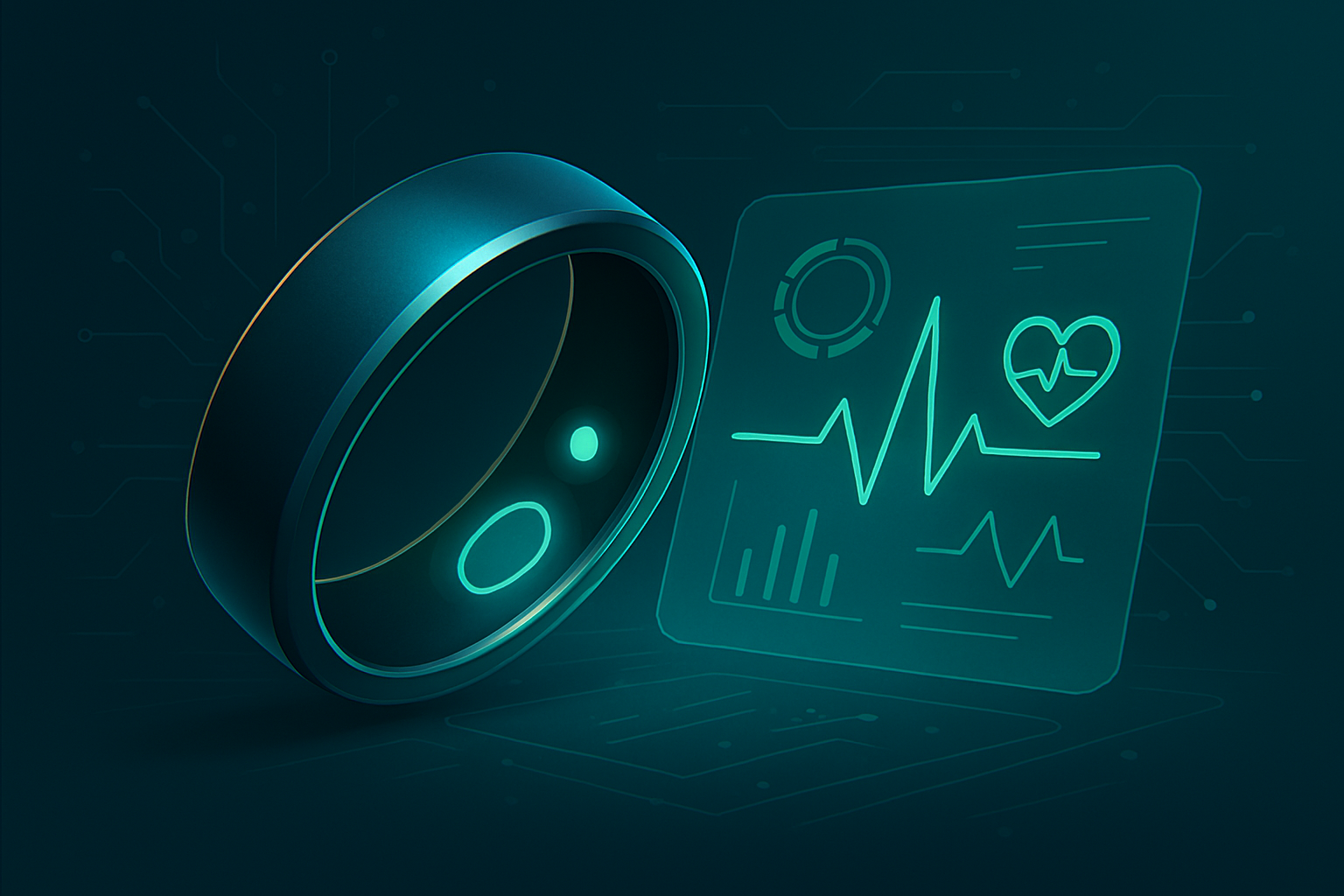
Smart rings are the wearable story of CES 2026 — and for once, the hype has hardware behind it.
The shift isn’t subtle. Nearly every major wearable brand showed up to Las Vegas with a ring prototype or a commercial model. That’s not a coincidence. That’s an industry reading the same data and drawing the same conclusion: the screen-first wearable has a ceiling, and consumers are starting to hit it.
The Problem Smartwatches Created
Smartwatches solved a real problem in 2015. By 2026, they’ve created a new one. Another screen. Another thing to charge every night. Another device vibrating on your wrist during dinner, during meetings, during the five minutes you were actually trying to decompress.
The core value proposition — health tracking, notifications, quick interactions — hasn’t changed. What’s changed is user tolerance for friction. People want the intelligence without the interruption, and that’s exactly the gap smart rings are moving into.
Battery life alone tells the story. Smart rings run five to seven days on a single charge. Most smartwatches don’t make it past two. That’s not a minor spec difference — that’s a fundamentally different relationship with the device.
What CES 2026 Actually Showed
Samsung’s closed-door Galaxy Ring demo was the most talked-about moment of the show, which says something given that nobody outside a select group of journalists and analysts actually saw it. What leaked out: advanced heart rate and sleep tracking, gesture navigation for Galaxy devices, haptic micro-feedback, and wireless charging via magnetic dock. Samsung is positioning it as a companion to the smartwatch line. Whether that framing survives contact with the market is another question.
The more interesting story is what Oura, Ultrahuman, and Circular are doing now that big tech is paying attention. Oura’s Gen 4 added stress prediction algorithms and AI-powered recovery scoring. Ultrahuman is pushing metabolic tracking and glucose monitor integration. Circular opened its API to developers, which is either a smart move or a sign they know they can’t out-engineer Samsung alone.
None of these companies are standing still. They built the smart rings category. They’re not about to hand it over quietly.
Ambient AI Is the Real Driver
The timing of the smart rings surge isn’t accidental. It maps almost exactly onto the rise of ambient computing — the idea that AI should work quietly in the background rather than demanding your attention through a screen.
A tap to trigger an AI assistant. Stress detection that adjusts your smart home settings without you touching anything. Identity authentication for payments, door locks, and access control. CES 2026 had demonstrations of all of it, from multiple companies, in working prototypes — not concept renders.
This is what screenless intelligence means in practice. The ring knows your heart rate, your sleep debt, your stress baseline. The AI does something with that information. You never had to look at anything.
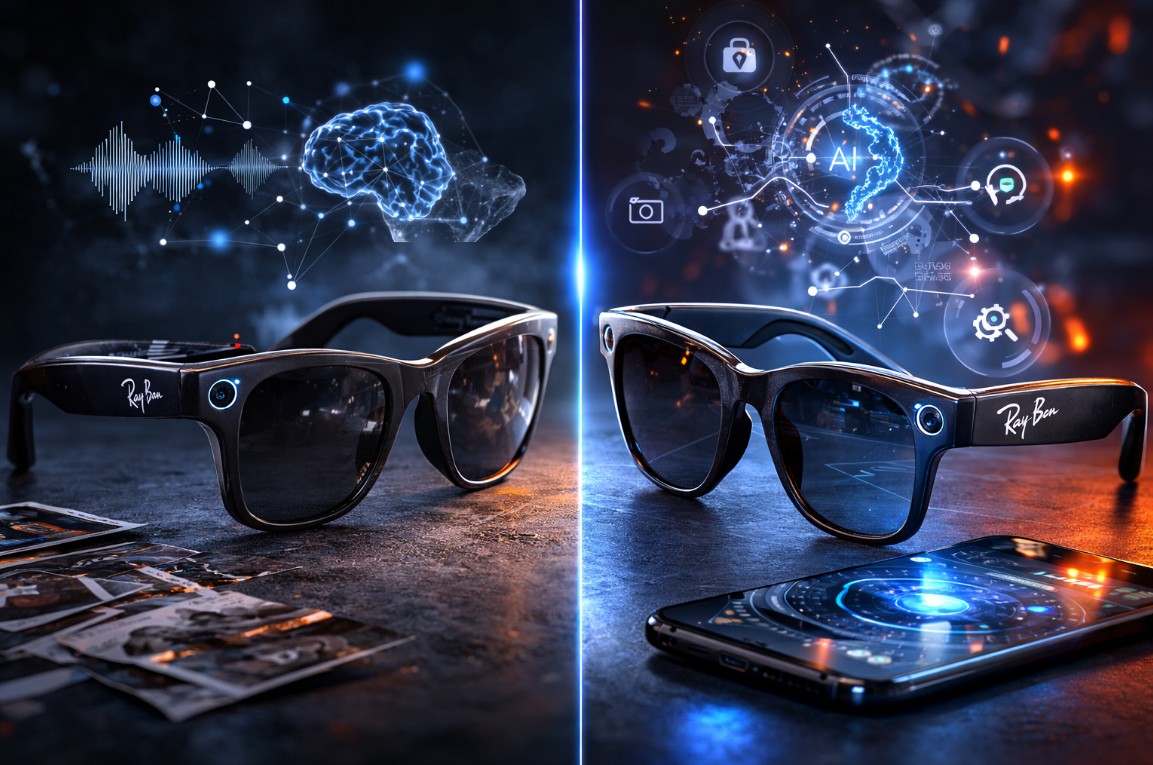
Smart rings are just one piece of a broader shift in how we interact with technology. This deep dive into Ray-Ban Meta Gen 1 vs Gen 2: What Actually Changed This Year? explores how wearable tech is quietly reshaping the way we live, work, and perceive the world around us:
https://techfusiondaily.com/ray-ban-meta-gen-1-vs-gen-2-what-changed/
What Smartwatches Still Do Better
The honest version of this story includes the part where smart rings have real limitations. No GPS. No ECG in most models. No display for quick glances at a map or an incoming call. For serious athletes or people who need active fitness tracking with real-time feedback, smartwatches aren’t going anywhere.
The market splitting into two distinct use cases — passive tracking and ambient interaction for rings, active fitness and screen-based tasks for watches — is probably the more accurate forecast than “rings replace everything.” But passive tracking and ambient interaction describe most people’s daily relationship with wearables. That’s not a niche. That’s the majority use case.
The Fashion Angle Nobody Wants to Admit Matters
Rings are jewelry. Smartwatches are gadgets that look like gadgets. That distinction carries more weight than the tech industry typically acknowledges, because consumer adoption of wearables has always been partly a social and aesthetic decision — not just a feature comparison.
Brands are already moving on this. Titanium finishes, ceramic options, luxury editions, interchangeable shells. The device that sits on your finger all day needs to look like it belongs there. Smart rings, by design, have a head start on that problem that smartwatches never quite solved.
What Comes Next
Apple and Google haven’t announced rings yet. Their silence at CES was noticed. Both companies have filed patents. Both have the supply chain and the ecosystem leverage to move fast when they decide to. When that happens — and it’s when, not if — the category stops being a niche and becomes a platform war.
The companies that built smart rings into something real before big tech arrived are about to find out whether their head start is a moat or just a lead.
Last updated: March 2026
Originally published at TechFusionDaily by Nelson Contreras
https://techfusiondaily.com
Sources
CES 2026 official product announcements and press materials
The Verge — wearable technology coverage, January 2026