

Fun Fact
In 2013, YouTube gave creators “Tools” to polish their uploads. Fast forward to 2026, and they’ve given us permission to stop showing up entirely. Welcome to the era of optional presence.
YouTube just made a move that feels equal parts brilliant and existential. For years, the platform was defined by “Broadcast Yourself.” Now, it’s quietly transitioning into “Automate Yourself.”
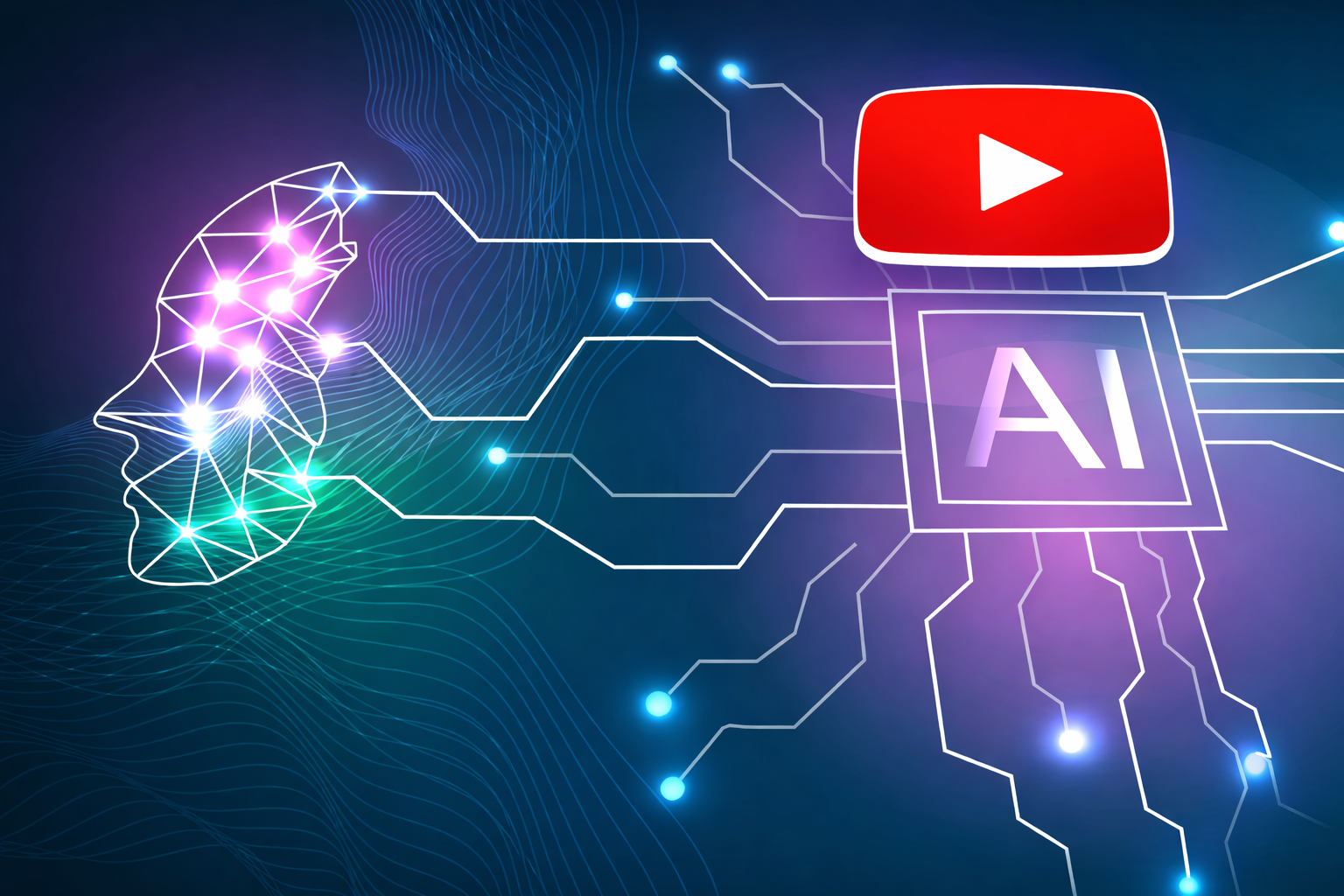
Starting in 2026, YouTube is launching its most disruptive feature yet: the ability to generate full-length videos and Shorts using your own likeness, voice, and personality — without ever touching a camera or microphone. This isn’t just about AI-generated scenery. It’s about YouTube cracking the code on digital identity.
The timing is surgical. With OpenAI’s Sora, Meta, and TikTok turning generative video into a commodity, YouTube has decided to turn the creator into the product. We are entering a future where content creation is no longer limited by your equipment, your time, or even your physical health.
The “Ghost in the Machine”: What Was Actually Announced?
YouTube CEO Neal Mohan confirmed that a new AI suite integrated directly into YouTube Studio will allow creators to:
- Reconstruct identity: The AI scans past uploads to build a digital twin that smiles, blinks, and emotes exactly like you.
- Zero-friction Shorts: Generate vertical content from a simple text prompt while you’re asleep or on vacation.
- Vocal cloning: Choose between your real voice (cloned) or a synthetic version optimized for delivery.
- Total script sync: Advanced lip-syncing that makes “synthetic you” indistinguishable from the real one.
YouTube calls this “the next evolution of storytelling.” Critics are already calling it the industrialization of the human personality.
How the Tech Actually Works
This isn’t a filter or a gimmick. It’s a coordinated system built on three core technologies:
- Generative video engines
High-fidelity models that handle physics, lighting, environments, and motion — evolving far beyond early cinematic demos. - Facial neural rendering
AI maps your unique facial geometry so the output doesn’t look like a person, but specifically like you. - Predictive audio synchronization
The system doesn’t just overlay audio — it predicts how jaw, lips, and facial muscles move when producing specific sounds, ensuring near 1:1 realism.
Why Now? (The Strategic War)
YouTube isn’t doing this just because it’s impressive. It’s doing it because it has to.
- The burnout solution: Top creators are stepping back at record rates. AI lets channels stay active without creators burning out.
- The Shorts arms race: TikTok and Instagram are flooding feeds with AI-powered tools. YouTube’s advantage is its massive archive of creator data — the raw material needed to build accurate digital twins.
The Dark Side: Risks & Ethical Red Lines
As this technology rolls out, serious concerns follow:
- The trust gap
Will audiences still connect emotionally if they know a machine rendered the performance? - Content inflation
If anyone can publish ten polished videos per day, does the value of originality collapse? - Identity misuse
YouTube says AI-generated videos will carry disclosure labels — but how visible, consistent, and enforceable those labels will be remains an open question in a world already struggling with deepfakes.

The 2026 Showdown: YouTube vs. Sora vs. Runway
Each player is betting on a different future:
- OpenAI Sora: Cinematic realism. Built for filmmakers and studios.
- Runway: Creative control. Favored by artists who want frame-by-frame precision.
- YouTube AI: Scale and consistency. It’s not chasing Oscars — it’s chasing the algorithm.
YouTube isn’t trying to replace cinema. It’s trying to replace recording.
Final Thought
We may be witnessing the quiet death of recording as a physical act. The real question isn’t whether the technology is ready — it clearly is.
The question is whether audiences are ready to subscribe to a ghost.
If a creator isn’t actually there, is it still social media?
- Stay updated on transparency labels via the YouTube Official Blog.
- Deep dive into the tech specs on The Verge or TechCrunch. (Verified January 25, 2026)
Originally published at https://techfusiondaily.com


One thought on “YouTube Killed the Video Star: Now You Can Create Without Ever Hitting Record”