
Fun Fact: RCS — the protocol replacing SMS that makes Android messaging competitive with iMessage — was first proposed in 2007. It took 17 years, a Google acquisition, Apple caving, and now Samsung surrendering its own app for it to finally become the default standard.
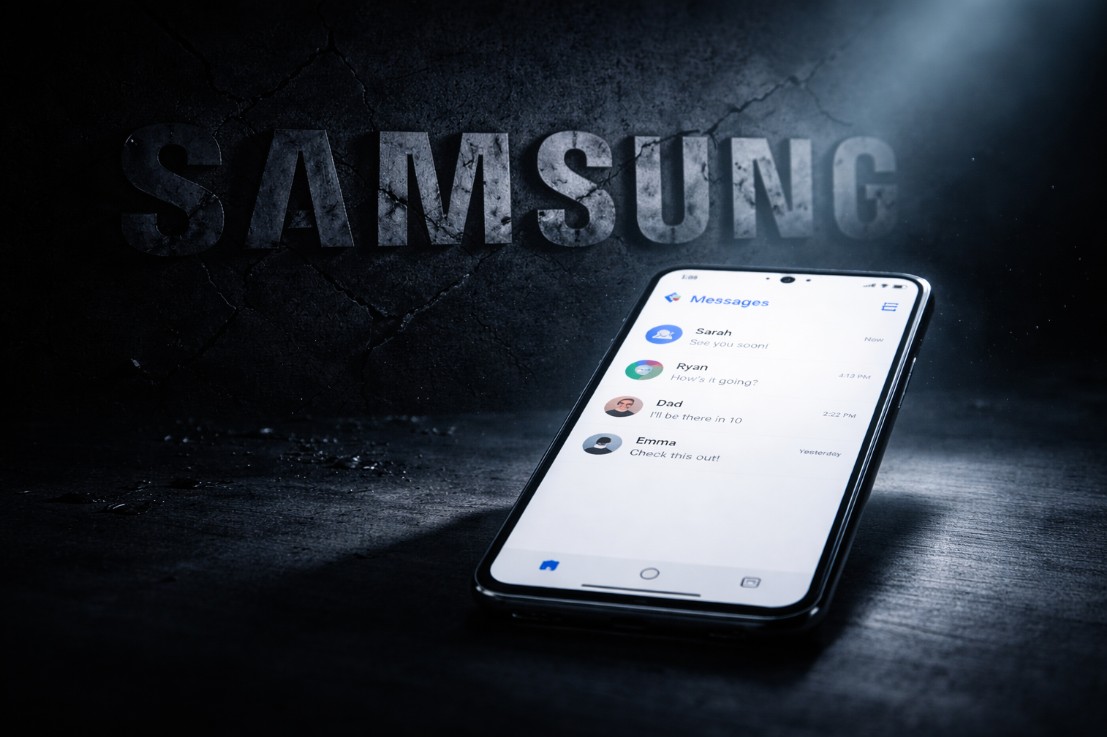
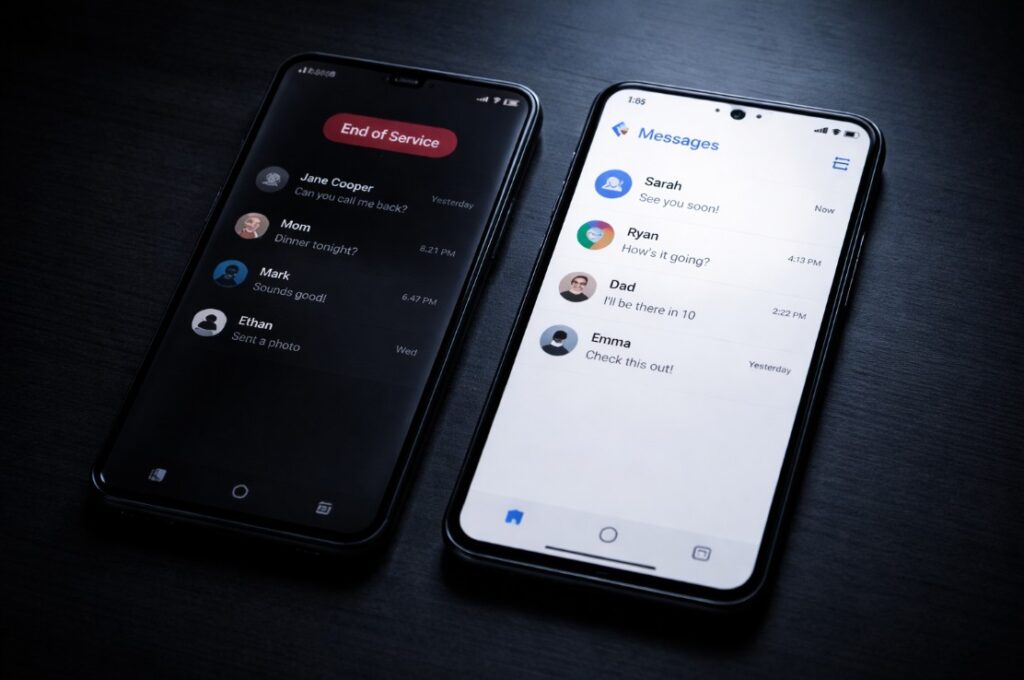
The Samsung Messages app is officially getting a funeral. Samsung posted an End of Service announcement this weekend confirming that its native messaging app will be discontinued in July 2026 — and users running Android 12 or higher are being directed to switch to Google Messages immediately. Galaxy S26 owners can’t even download Samsung Messages from the Galaxy Store anymore. The decision was made for them before they unboxed the phone.
This isn’t a surprise. It’s the formal acknowledgment of something that’s been true for about two years.
How Samsung Got Here
Samsung announced back in July 2024 that it would switch Galaxy phones to Google Messages as the default. The Galaxy Z Fold 6, Flip 6, and the entire S25 series all shipped with Google Messages pre-installed and Samsung Messages quietly sidelined. By the time the S26 launched, Samsung Messages wasn’t even available for download. July 2026 isn’t the moment Samsung surrendered — it’s the moment Samsung filed the paperwork.
The core reason is RCS. Samsung Messages handled RCS inconsistently, with carrier-dependent support that created a fragmented experience depending on which network you were on. Google Messages delivers full RCS regardless of carrier — read receipts, typing indicators, high-quality media, group chats — and since Apple added RCS support in iOS 18, the protocol finally works across the two major mobile ecosystems. Samsung’s own app couldn’t keep up, and rather than invest in closing the gap, Samsung decided the gap wasn’t worth closing.
What Google Actually Gets From This
The transition isn’t just a UX consolidation. It’s a data consolidation. Google Messages is deeply integrated with Gemini — smart replies, scam detection, photo remixing, all operating within Google’s infrastructure. Every Samsung user who migrates to Google Messages adds to the volume of messaging behavior flowing through Google’s systems. That data informs ad targeting and audience modeling across Google‘s advertising platforms.
Samsung has one of the largest device footprints on the planet. The company sells hundreds of millions of phones per year across more than 25 markets. Handing the default messaging layer to Google on all of those devices is not a minor platform concession. It’s a structural shift in where Android’s communication data lives — and Google is the one who ends up holding it.
Android’s sideloading changes are part of a broader shift in how mobile platforms balance openness and security. This breakdown of Clawdbot Is the AI Assistant Everyone Wanted — and a Security Disaster Nobody Warned You About explores what happens when powerful tools ship before the security architecture catches up:
https://techfusiondaily.com/clawdbot-ai-security-risks-2026/
The Quiet Ones Who Lose Something
Most users will complete this transition without noticing. The apps look similar enough, the migration flow is guided, and the RCS features in Google Messages are genuinely better than what Samsung Messages offered. For the average Galaxy owner, this is a non-event.
The edge cases are messier. Owners of older Tizen OS smartwatches — the ones launched before Galaxy Watch4 — will lose full message conversation history on their watch after the cutover. Devices released before 2022 may experience temporary RCS disruption during the switch. Users on Android 11 or lower are exempt entirely, which tells you exactly who Samsung expects to still be running its own app at this point: people who haven’t updated their OS in four years and are unlikely to notice or care.
The Broader Pattern
Samsung has been quietly retreating from its own software layer for years. Bixby never challenged Siri or Google Assistant in any meaningful way. Samsung Pay merged into Google Wallet. Samsung’s browser exists but nobody sets it as default. And now Samsung Messages joins the list of apps that Samsung built, maintained for a decade, and then handed to Google when the maintenance cost exceeded the strategic value.
There’s a version of this story where Samsung is making a smart, efficient decision — stop duplicating Google’s work, focus on hardware and One UI, let Google own the communication layer. That version isn’t wrong. But it also means that the world’s largest Android manufacturer is increasingly a hardware company running Google’s software on top. Which raises the question of where Samsung’s platform leverage actually lives in 2026 — and whether the answer is anywhere other than the display and the camera.
Sources
Samsung — Official End of Service Announcement for Samsung Messages, April 5, 2026
Android Authority — Samsung Messages discontinuation coverage, April 5, 2026
Originally published at TechFusionDaily by Nelson Contreras
https://techfusiondaily.com