
Fun Fact
Samsung was experimenting with on‑device AI long before “AI Phone” became the industry’s favorite marketing term. What started as basic offline voice commands (that almost nobody used) is now evolving into something far more ambitious: an intelligence layer that doesn’t need the cloud’s permission to work.
Galaxy AI 2026 is about to get a major upgrade. Samsung is preparing a significant update to its Galaxy AI platform, and according to sources familiar with the company’s software roadmap, it’s expected to arrive in the first quarter of 2026. This time, it’s not about flashy keynote tricks designed to impress in a 15‑minute demo. The focus is on three pillars that actually impact daily use: faster on‑device processing, more natural live translation, and privacy controls that don’t hide behind vague language.
Let’s be clear: this isn’t a hardware launch. And honestly, it doesn’t need to be. While other manufacturers fight over who has the biggest camera sensor, Samsung is betting that the real crown jewel will be the silicon working quietly under the hood.
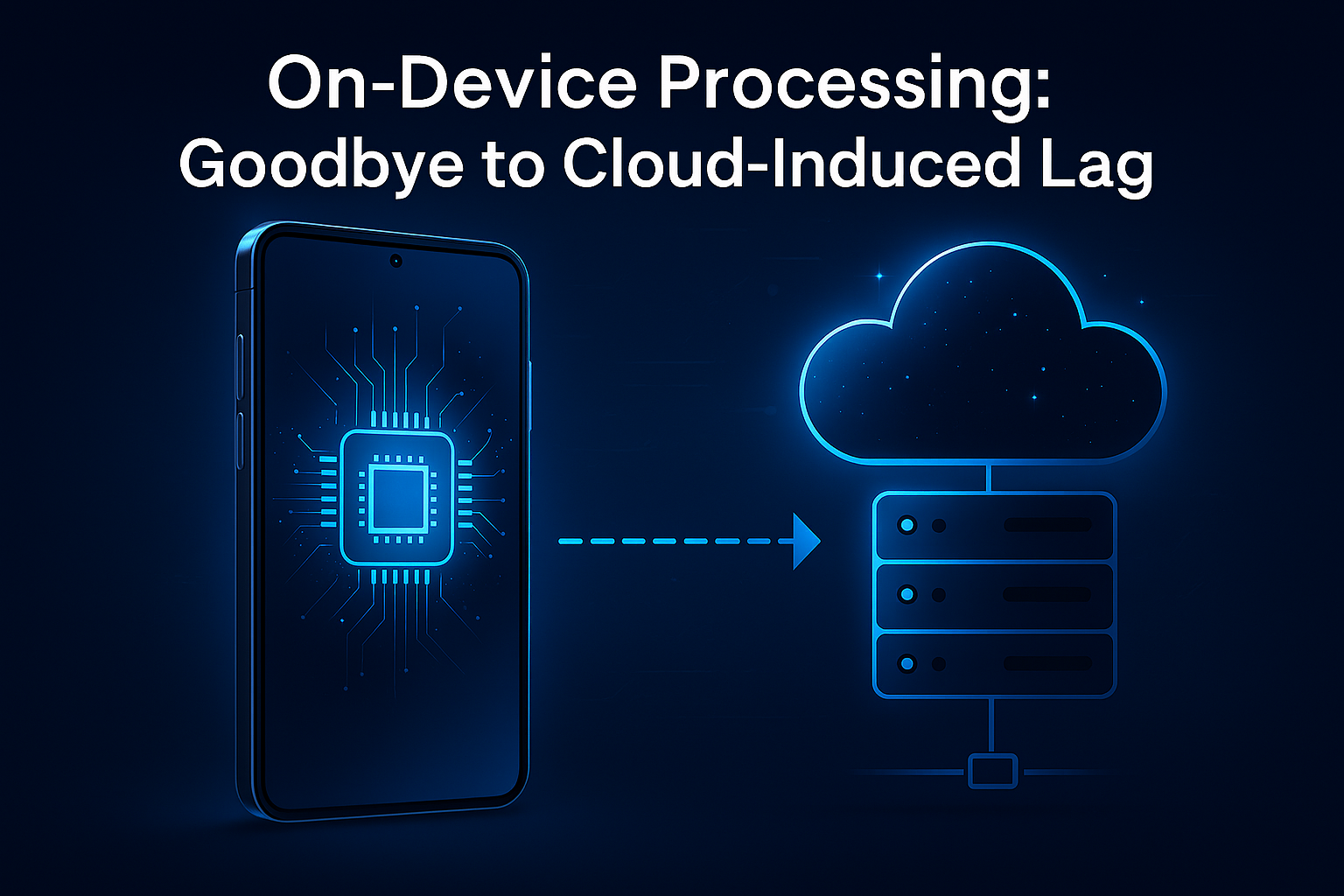
On‑device processing: Goodbye to cloud‑induced lag
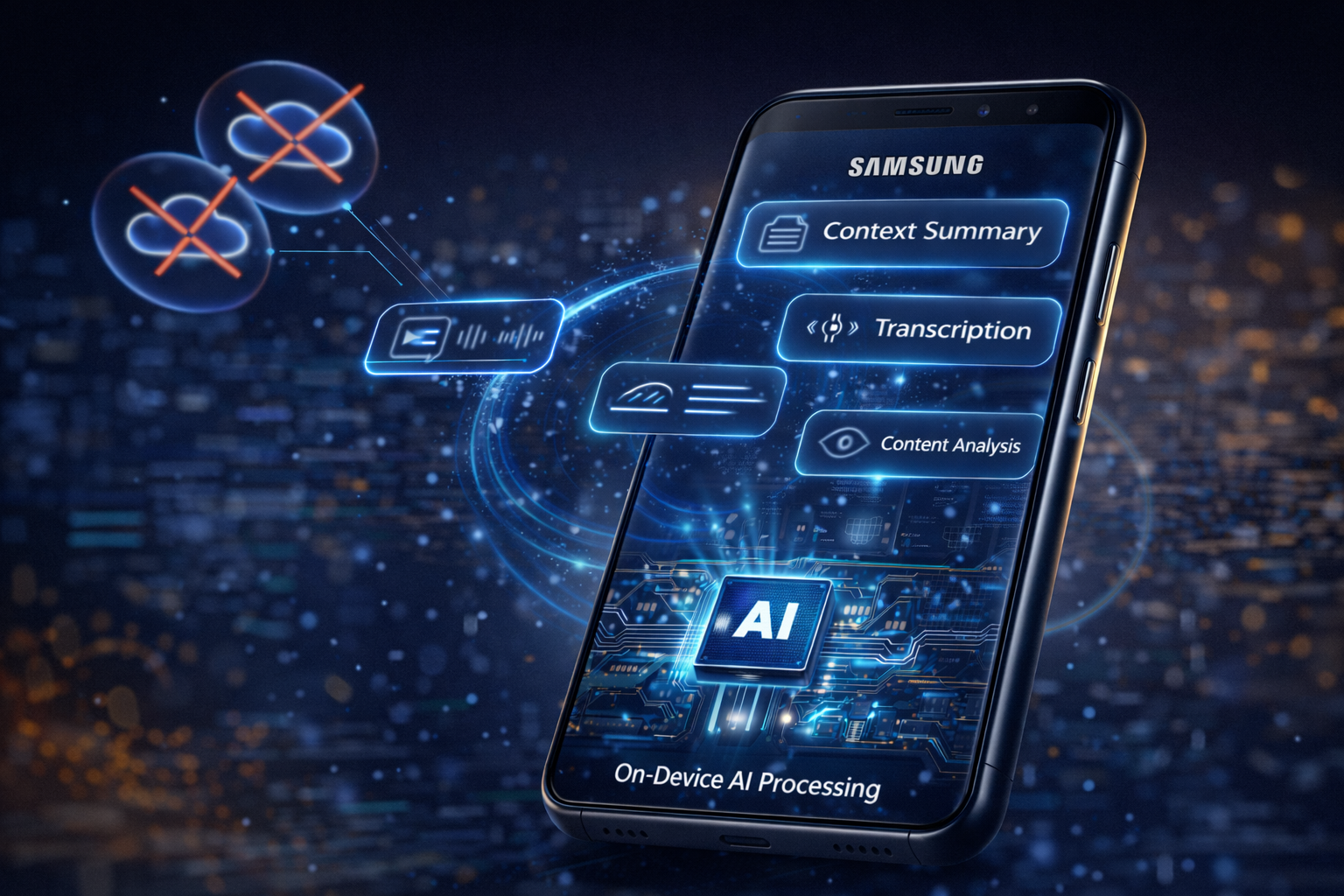
Samsung is optimizing its next‑generation NPU so the heavy lifting stays on the device. We’re talking contextual summaries, transcription, and content analysis that no longer need to travel halfway across the world to a server before responding.
The obvious benefit is speed, but the real win is reliability. Everyone has experienced that awkward moment when AI features freeze because 5G decided to disappear in an elevator. If Samsung succeeds in making these features fully local, AI stops being a “cool extra” and becomes a dependable tool. Plus, fewer cloud calls mean lower data usage and potentially better battery life.
To better understand the infrastructure and strategic pressures shaping the AI arms race, this deep dive into Nvidia Freezes $100B OpenAI Deal: What It Really Means explores why capital, compute, and control are becoming inseparable in next-generation AI development:
https://techfusiondaily.com/nvidia-freezes-100b-openai-deal-2026/
Live translation: Less “demo mode,” more real‑world utility
Galaxy AI already teased real‑time translation, but until now it felt more like a showcase feature than something you’d rely on daily. Samsung wants to change that by integrating translation more deeply into third‑party apps and calls.
Key improvements expected:
- Near‑zero‑latency voice translation: No more awkward pauses while the server thinks.
- More offline languages: Essential when you land in a new country without roaming.
- Improved noise filtering: So the AI understands you even in a crowded airport.
The goal isn’t perfection — it’s naturalness. Samsung knows that to compete with tools like Google Translate or Apple Intelligence, the experience must feel invisible.
Privacy: Clarity in a murky landscape
AI privacy is a messy topic, and Samsung seems to understand that vague explanations no longer build trust. The new control panel reportedly offers real transparency about where your data is processed.
Reports indicate users will be able to:
- See clear indicators of local vs. cloud processing
- Disable cloud‑based tasks on a per‑feature basis
- Control how long temporary data is stored
Will it be perfect? Probably not — hybrid models are notoriously complex — but it’s a bold step toward user trust, something increasingly rare among competitors with opaque data practices.
What Samsung still isn’t saying (the elephant in the room)
Not everything is rosy. Moving heavy AI tasks to the device sounds great until your phone starts heating up or your battery drains in three hours. Samsung’s biggest challenge for 2026 isn’t just software — it’s thermal efficiency. If the processor can’t keep up, these “local” features could become a headache for everyday users.
The master move: It’s not a model race
The most interesting part of this strategy is what Samsung isn’t doing. It’s not trying to build a “ChatGPT‑killer.” It’s building infrastructure. While others chase bigger and bigger models, Samsung is focused on making the Galaxy ecosystem run smoothly and quietly.
It’s a long‑game strategy. In tech, the products that become indispensable are usually the ones that integrate best — not the ones that shout the loudest.
The calendar verdict
If Samsung follows its usual pattern from the Samsung Newsroom, this rollout should land between February and March 2026, shortly after the launch of the Galaxy S26 series. The best part? Because it’s software‑based, these improvements will likely reach current models (S25 and possibly S24), keeping the ecosystem unified.
If Samsung pulls this off, the most impressive thing your phone will do in 2026 is make AI feel, finally, invisible.
Sources
- Samsung Global (January 2026 Software Roadmap)
- Counterpoint Research (NPU Trends 2026)
- Historical patterns from Samsung Unpacked events
Originally published at https://techfusiondaily.com