

Fun Fact
Back in 2013, when Google Glass launched, a senior engineer once told me: “The first generation of any futuristic gadget isn’t built to work — it’s built to show us what doesn’t.”
More than a decade later, the Rabbit R1 seems to follow that same logic: a device full of ambition, shaped by hype, and delivered with a mix of clever ideas and very real limitations.
The Hype Behind the “AI Companion”
From the beginning, Rabbit positioned the R1 as something more than a gadget.
It was framed as:
- “A device that does things for you.”
- “A future without apps.”
- “A new way to interact with AI.”
In practice, the experience is more grounded.
The R1 doesn’t replace a smartphone, doesn’t eliminate traditional apps, and doesn’t consistently execute complex workflows. What it offers instead is a glimpse into a possible future — not a finished version of it.
Seen this way, the Rabbit R1 feels less like a product meant to redefine the present and more like an early experiment released to test ideas in the real world.
Design: Where Expectations Are Met
There is little debate around the hardware.
Early hands-on impressions from outlets like The Verge and TechCrunch consistently highlight the same thing: the R1 feels solid, intentional, and unusually polished for a first-generation product.
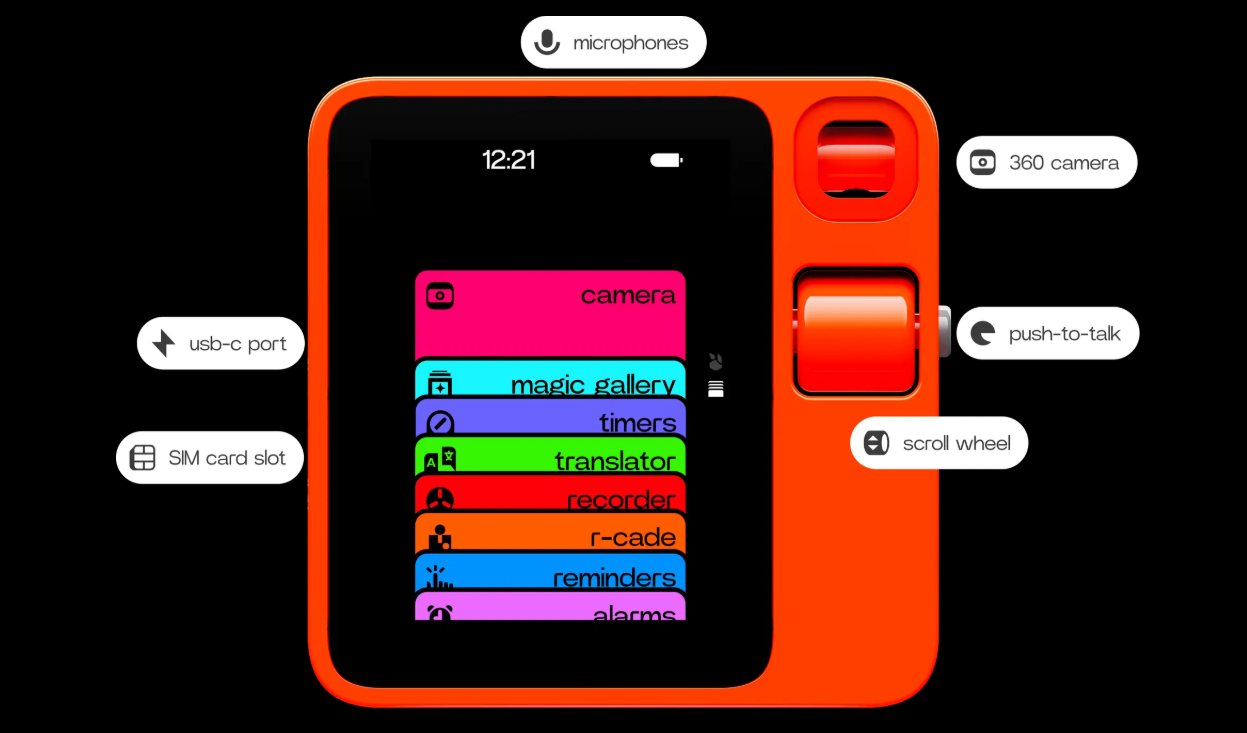
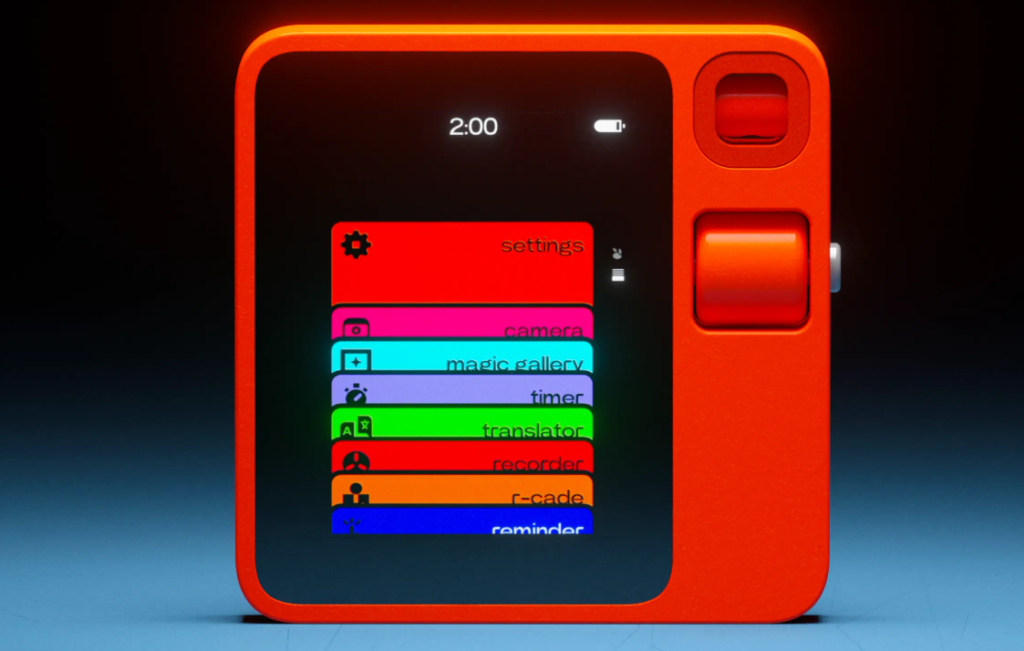
The compact form factor works well for one-handed use, the scroll wheel is tactile and responsive, and the orange design stands out without feeling cheap or experimental. Even when the software struggles, the physical object never feels unfinished.
Real-World Use: Inconsistent, but Understandable
On paper, the R1 can:
- order rides
- play music
- search the web
- handle multi-step requests
In real use, outcomes vary.
Some actions complete quickly and cleanly. Others pause, require clarification, or fail due to missing context or incomplete integrations. Community testing shared across platforms like Reddit and Discord mirrors what early reviewers have observed: the device works, but not always predictably.
Using it feels less like commanding an assistant and more like interacting with a system that is still learning how to interpret intent.
Where the Limitations Come From
The R1’s constraints are not driven by hardware.
They stem from:
- heavy reliance on cloud-based processing
- third-party integrations still under development
- a Large Action Model that improves through usage
- a roadmap that extends beyond current capabilities
This makes the Rabbit R1 inherently future-facing. Its usefulness is closely tied to how the platform evolves over time rather than what it delivers on day one.
That doesn’t make it flawed — but it does define expectations.
Who the Rabbit R1 Makes Sense For
Early adopters may appreciate the opportunity to explore a new interaction model, even when it feels incomplete.
Builders and technically curious users may find the action-based AI concept genuinely interesting as it develops.
Users seeking consistent, phone-level reliability may find the current experience limited.
Strengths
- Distinctive, well-built hardware
- Simple, approachable interface
- Clear conceptual ambition
- Encourages experimentation
- Designed with long-term evolution in mind
Limitations
- Features still maturing
- Variable response times
- Strong dependence on cloud services
- Narrow integration set
- Messaging that sometimes runs ahead of reality
A Measured Take
The Rabbit R1 is neither a revolution nor a misstep.
It functions more like a prototype released into the market — not because it is finished, but because real-world use is part of its development process. It demonstrates intent clearly, while leaving many practical questions unanswered.
For now, it’s best viewed as a signal of where AI interfaces may be heading next, rather than a definitive statement about where they are today.
Sources
- TechCrunch — Product launch and early impressions
- The Verge — Hands-on testing and device analysis
- Rabbit — Official documentation and product materials
- Community testing — Reddit and Discord user reports
Originally published at https://techfusiondaily.com