
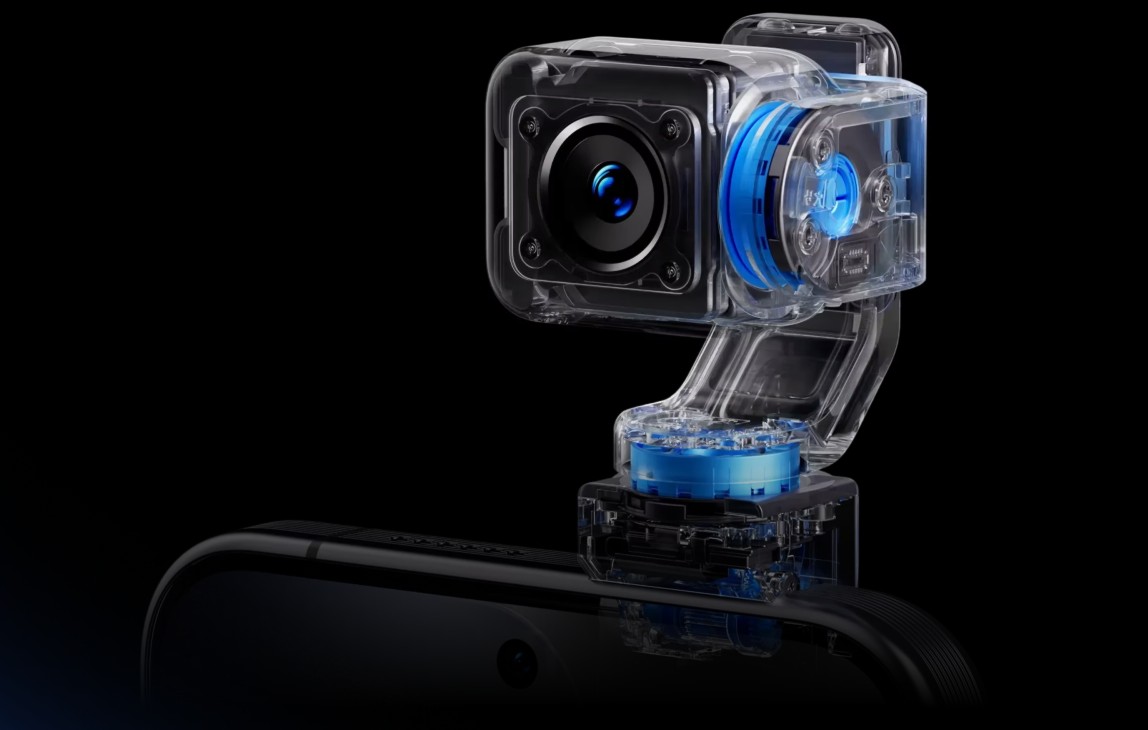
Fun Fact: The micro motor inside the Honor Robot Phone is 70% smaller than the industry average for comparable gimbal systems — and Honor built it using the same high-tensile materials from the Magic V6’s foldable hinge. The engineering that kept a folding phone from breaking after 200,000 folds is now keeping a robotic camera arm alive inside a device you’re supposed to drop occasionally.
Honor Robot Phone was the most talked-about device at MWC 2026 in Barcelona — and it earned that attention by doing something the smartphone industry hasn’t done in a long time: it introduced a genuinely new form factor that nobody asked for and somehow made it feel obvious in retrospect.
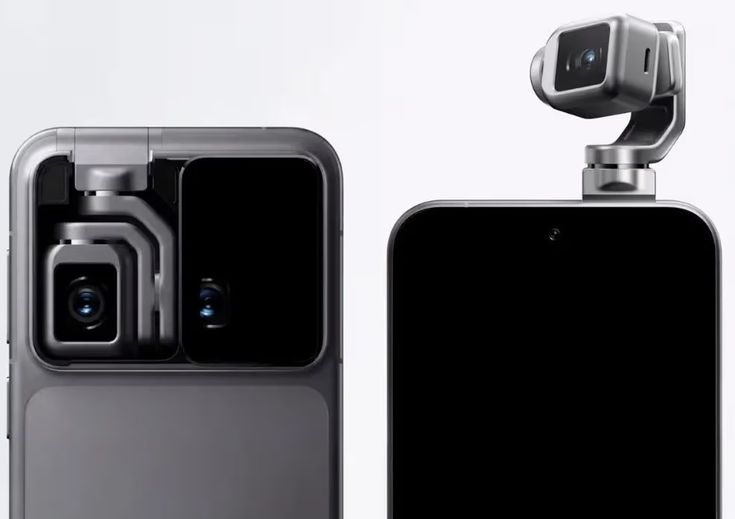
The concept is simple enough to explain in one sentence. There’s a robotic arm on the back of a phone, and it has a camera on it. What that arm actually does is considerably more interesting than the sentence suggests.
What the Robot Phone Actually Does
The arm houses a 200-megapixel camera inside what Honor calls the smallest 4DoF (four-degree-of-freedom) gimbal system ever built into a consumer device. It extends from the back of the phone, tracks subjects in real time, stabilizes footage with three-axis mechanical stabilization, and retracts back into the body when not in use. The camera module can rotate 360 degrees, tilt, nod, and shake — and Honor has programmed it to respond to voice and motion with physical gestures. Ask it a yes/no question and it nods or shakes. Cover the lens and it “sleeps.”
At first glance that sounds like a gimmick. On closer inspection, it’s a genuinely capable camera system. The collaboration with ARRI — the company that makes the cameras used to shoot major Hollywood productions — is either the most impressive partnership in mobile camera history or the most elaborate bit of credibility-laundering. Possibly both. ARRI’s image science is being integrated into the color processing and cinematic pipeline of a phone camera, which, if it delivers what it promises, would be a meaningful first.
The AI tracking system is trained on millions of scene simulations and can re-acquire a subject even if they’re briefly obscured. That level of tracking performance in a device this size would be genuinely useful for creators — not as a party trick, but as a tool that removes friction from a workflow that currently requires a separate gimbal, a separate operator, or a lot of failed takes.
The Honor Robot Phone is part of a broader hardware shift happening across the industry. This deep dive into Ray-Ban Meta Gen 1 vs Gen 2: What Actually Changed This Year? explores how wearable tech is quietly becoming the most competitive category in consumer electronics:
https://techfusiondaily.com/ray-ban-meta-gen-1-vs-gen-2-what-changed/
The Engineering Problem Nobody Is Talking About
Here’s the uncomfortable question that every hands-on reviewer is circling around without quite landing on: mechanical components in smartphones have a terrible track record.
Pop-up cameras. Rotating camera modules. Sliding form factors. The smartphone graveyard is full of interesting mechanical ideas that died because real users drop phones, put them in bags with keys, and generally subject them to conditions that no engineering simulation fully anticipates. The Honor Robot Phone’s robotic arm is more complex than any of those predecessors — and more exposed.
Honor says it’s using the same 2800 MPa tensile strength materials from its foldable hinge engineering. That’s a meaningful data point. The Magic V6 hinge survived the testing required to get a foldable to market. But a hinge that lives inside a closed device is a different stress profile from a robotic arm that extends, rotates, and retracts hundreds of times a day in an environment with dust, humidity, and the occasional pocket full of sand.
The company hasn’t addressed dust resistance, water resistance ratings for the extended arm position, or what happens after 18 months of daily use. Those are not minor omissions. They are the exact questions that determine whether this phone is still functional in year two.
Who This Is Actually For
The honest answer is creators — and specifically the kind of solo creator who currently carries a phone plus a gimbal plus a second phone for monitoring. If the Robot Phone can replace that entire setup without meaningful image quality trade-offs, it has a real market.
The AI tracking combined with ARRI image science and cinematic shot modes like the 180-degree SpinShot is a coherent pitch to a specific kind of user. It’s not trying to be everything to everyone. It’s trying to be a professional-grade mobile cinema tool that fits in a pocket.
Whether that user exists in large enough numbers to justify the engineering investment is a different question. The vlogging and content creation market is real. Whether those creators will pay a flagship-plus premium for an experimental form factor with unproven durability is genuinely unknown.
What MWC Confirmed — and What It Didn’t
Honor confirmed a second-half 2026 launch in China. International availability remains unconfirmed. Pricing is unconfirmed. Full specs beyond the camera module are unconfirmed. The collaboration with ARRI is confirmed and notable.
What MWC demonstrated is that the technology works in a controlled environment with a working prototype. The demo footage is compelling. The tracking is smooth. The form factor is surprisingly slim for what it contains — a direct consequence of that custom micro motor that Honor spent considerable engineering resources miniaturizing.
The gap between “works in a Barcelona demo” and “ships as a consumer product in volume” is where most ambitious hardware concepts disappear. Honor has closed that gap further than most, but the second half of 2026 launch window leaves a lot of room for the reality of mass production to complicate the ambition.
Sources
Honor Global — official MWC 2026 press materials and Robot Phone product page
Engadget — hands-on coverage, MWC 2026, March 2026
Originally published at TechFusionDaily by Nelson Contreras
https://techfusiondaily.com