
Fun Fact: Every drone DJI has launched in the last three years required pilots to frame shots during flight. The Avata 360 is the first DJI drone that doesn’t — you capture everything and decide the angle later. That shift sounds small until you realize it’s the same leap that action cameras made when they went from fixed-lens to 360.
DJI Avata 360 launches March 26, 2026 at 12 PM GMT — and for the first time in years, the drone community has something genuinely new to get excited about.
Not an incremental spec bump. Not a lighter frame with a marginally better sensor. A drone that shoots native 360-degree spherical video in 8K, merged with the FPV flight system that made the Avata line the most accessible high-performance drone series on the market. That combination hasn’t existed before — not from DJI, not from anyone.
What DJI Is Actually Announcing
The tagline is “Above It All, See It All” — which is either the most accurate product description DJI has ever written or a marketing team finally having a good day. Probably both.
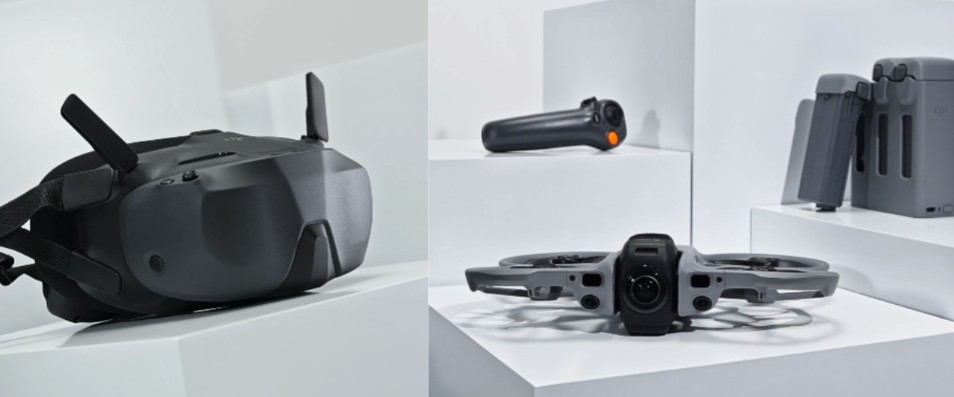
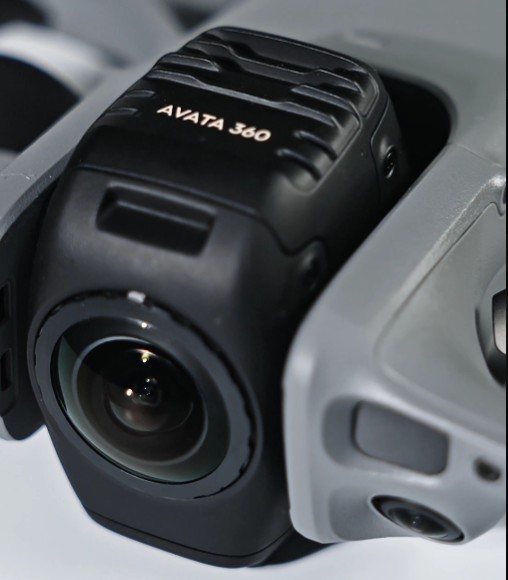
The Avata 360 is DJI‘s first dedicated 360-degree drone. Not a retrofit, not an accessory — a purpose-built aircraft designed around spherical video capture. The dual-lens system records the entire environment around the drone simultaneously, which means no more missed shots because you pointed the camera in the wrong direction during a pass.
The camera module is reportedly switchable between full 360 mode and a forward-facing FPV mode, which gives creators something genuinely useful: one aircraft that handles both immersive spherical capture and traditional cinematic drone footage. That’s a significant reduction in the number of drones a professional needs to bring to a shoot.
Leaked specs point to 8K/60fps spherical video, O4 transmission, a 38.6Wh battery with more capacity and lower cost than the Avata 2’s, and a replaceable lens system with lens kits running around $60. Pricing leaks from European retailers suggest the Fly More Combo will come in around $939-$950 — aggressive for what it’s offering.
Why This Is a Bigger Deal Than a Normal DJI Launch
The 360-degree drone category barely existed before Insta360 launched the Antigravity A1 last year. That drone proved the concept worked — spherical aerial video is genuinely compelling, and the ability to reframe shots in post rather than during flight changes how you think about aerial cinematography entirely.
What it didn’t have was DJI’s flight infrastructure. The Antigravity A1 is a solid first entry in a new category. The Avata 360 is DJI entering that category with its full weight — stabilization technology, transmission systems, the Goggles ecosystem, and a distribution network that reaches every serious drone market on the planet.
When DJI enters a category, the category usually changes. That’s not tribalism — it’s a track record.
Wearable tech isn’t just about drones. This deep dive into Ray-Ban Meta Gen 1 vs Gen 2: What Actually Changed This Year? breaks down how smart glasses are quietly becoming the most underrated category in consumer tech:
https://techfusiondaily.com/ray-ban-meta-gen-1-vs-gen-2-what-changed/
The U.S. Situation Is Worth Understanding
DJI has been navigating significant political pressure in the United States, with ongoing restrictions and FCC complications affecting its ability to sell new products in the American market. The Avata 360 cleared FCC certification in November 2025 — before the December 22 FCC foreign drone ban announcement — which means it’s grandfathered in and legally available for sale and operation in the U.S.
That timing wasn’t accidental. DJI pushed the certification through the pipeline deliberately, and the result is that American buyers can purchase and fly the Avata 360 legally. Whether that window stays open for future DJI products is a different question — but for this launch, the regulatory path is clear.
The drone weighs 400 grams, which puts it above the 250g threshold that allows unregistered recreational flight. U.S. pilots will need to register the aircraft and comply with Remote ID rules regardless of whether they’re flying recreationally or commercially.
What It Means for Creators
The practical implications for content creators are straightforward: one drone that captures everything, with the ability to choose and adjust angles in editing rather than during flight. For anyone who has lost a shot because the camera was pointed in the wrong direction at the wrong moment, that’s not a minor convenience — it’s a fundamental change in how aerial footage gets made.
The 8K resolution matters specifically because of how 360 editing works. Reframing and cropping a 360 clip reduces resolution. Shooting in 8K means the exported footage stays sharp even after heavy editing. At lower resolutions, the math doesn’t work as cleanly.
The question nobody has answered yet is whether the stitching holds up under real-world conditions. DJI has experience here with the Osmo 360, which delivered strong results overall but had some struggles in the U.S. market. The Avata 360 will face the same scrutiny — and the first wave of creator reviews after March 26 will tell us whether the hardware delivers what the teasers suggest.
Twelve days left. Pre-orders open immediately after the livestream.
Sources
DJI Global — official Avata 360 teaser and launch confirmation, March 2026
DroneXL — pricing, specs, and release date coverage, March 2026
Originally published at TechFusionDaily by Nelson Contreras
https://techfusiondaily.com