
Fun Fact
Bitcoin’s mining difficulty has increased more than 600,000% since 2013 — a reminder of how brutally competitive this industry has become.
The Mining Landscape Enters a New Phase
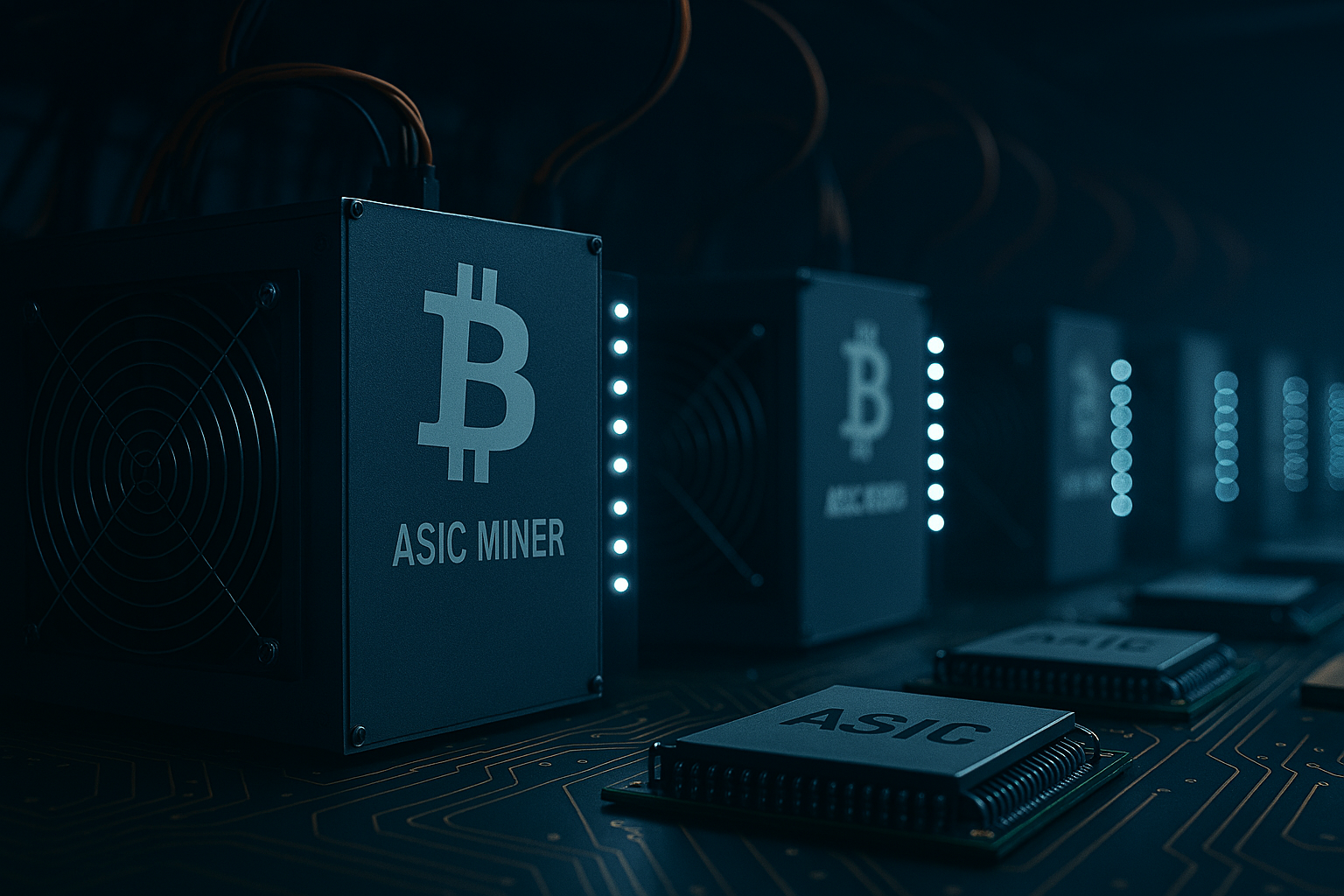
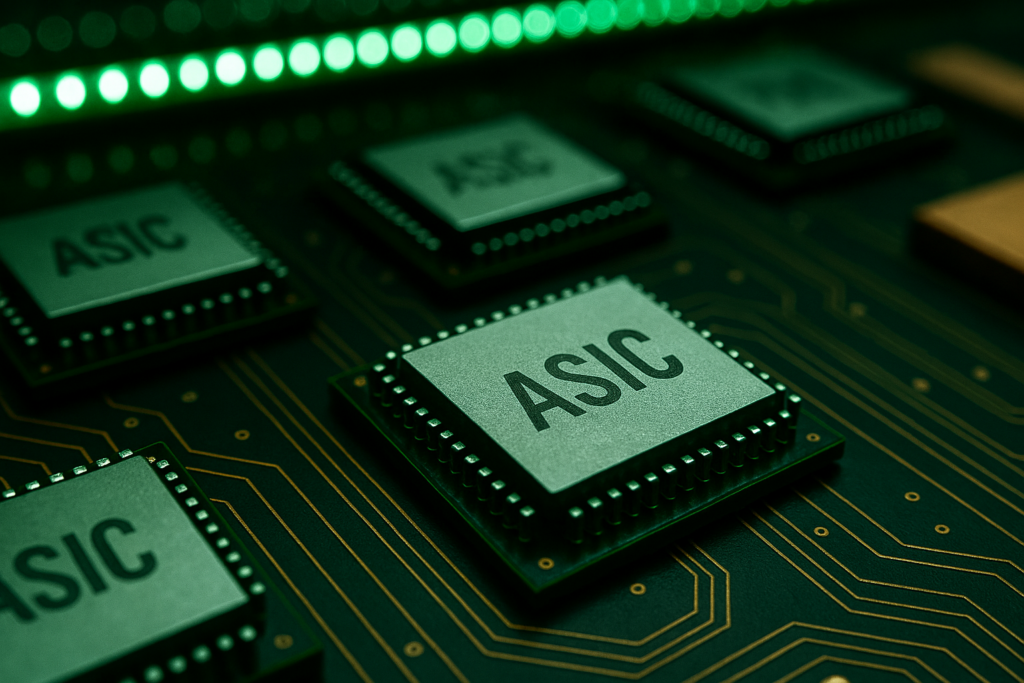
The Bitcoin mining world is stepping into 2026 with a mix of excitement and quiet anxiety. New ASIC announcements are landing faster than expected, and miners know what that usually means: a difficulty spike that can make or break entire operations.
And let’s be honest — while the crypto headlines obsess over ETFs and price predictions, the real backbone of Bitcoin is here, in the warehouses full of humming machines. This month’s updates show why miners are bracing for what could be the toughest transition since the 2024 halving.
New ASIC Hardware Announcements for 2026
1. Sub‑20 J/TH Efficiency Targets
Manufacturers are promising efficiency numbers that would’ve sounded unrealistic just a few years ago. Higher terahash output, lower joules per terahash, smarter thermal design — the whole package.
If these specs hold up outside the marketing slides, the global hashrate could jump hard and fast. And miners know exactly what follows.
2. Modular Cooling Systems
The new generation leans heavily into modularity:
- Liquid‑cooling ready chassis
- Hot‑swappable hashboards
- Quieter industrial fans
It’s not just about squeezing more performance — it’s about keeping machines alive longer in an increasingly hostile difficulty environment.
3. AI‑Assisted Performance Tuning
Some models now include AI‑driven tuning. Yes, AI inside ASICs.
- Automatic voltage/frequency adjustments
- Predictive thermal throttling
- Smarter workload balancing
It’s clever tech, but also a reminder: mining is no longer a “set it and forget it” game.
Why Difficulty Is Expected to Spike in 2026
Bitcoin’s difficulty algorithm adjusts every ~2 weeks. It doesn’t care about your electricity bill, your ROI, or your feelings. It reacts to one thing: hashrate.
And with new ASICs entering the market, analysts expect:
- A sharp increase in global hashrate
- Faster block discovery
- One of the steepest difficulty jumps since 2024
Here’s the part many miners don’t want to hear:
If you’re running older hardware, the window is closing — fast.
For a broader look at how AI-driven systems are reshaping virtual economies, this breakdown of GTA 6’s Dynamic Economy: Black Markets, Banks & AI Explained shows how game design is starting to mirror real-world financial complexity:
https://techfusiondaily.com/gta-6-dynamic-economy/
Impact on Small vs. Industrial Miners
Industrial Miners Gain an Edge
Big players are positioned to win this round. They have:
- Bulk ASIC pricing
- Renewable energy deals
- Dedicated cooling infrastructure
- Automated fleet management
When difficulty rises, scale becomes a weapon.
Small Miners Face Tougher Choices
For home and small‑scale miners, 2026 is shaping up to be a year of hard decisions:
- Upgrade or get squeezed
- Host machines elsewhere
- Switch to secondary SHA‑256 coins
- Or step back entirely
It’s not dramatic — it’s just the math.
Secondary Market Shake‑Up
Expect a flood of older ASICs hitting the secondary market as soon as the new models ship. Prices will drop. Some miners will see opportunity. Others will get burned by miscalculating ROI in a rising‑difficulty environment.
This cycle is as old as Bitcoin itself.
Energy Strategy Becomes the Deciding Factor
In 2026, the real competitive edge won’t be hardware — it’ll be energy.
Miners with access to:
- Stranded energy
- Hydroelectric surplus
- Long‑term renewable contracts
…will survive the spike. Those paying grid prices will feel the squeeze first.
Network Security and Decentralization
More hashrate means more security, but it also raises uncomfortable questions:
- Is mining becoming too industrialized?
- Are we drifting toward a new mining elite?
- How decentralized is “decentralized” when only a few can afford to compete?
These debates will intensify as the new hardware rolls out.
Conclusion
The next generation of ASICs won’t just push Bitcoin’s difficulty higher — it will redraw the map of who gets to stay in the game. As hardware, energy strategy, and economics collide, the real question is whether 2026 strengthens Bitcoin’s decentralization or quietly concentrates mining power in fewer, more industrialized hands.
Sources
1. Hashrate Index – ASIC Mining Hardware & Efficiency Data (2026)
Technical analysis of next‑generation ASIC miners, efficiency metrics (J/TH), and projected difficulty trends.
2. ASICMinerValue – Profitability & Hardware Performance Metrics (2026)
Up‑to‑date data on ASIC profitability, power consumption, and performance comparisons across mining hardware generations.
Originally published at https://techfusiondaily.com