
Fun Fact
The original Xbox prototype was so big and heavy that some engineers nicknamed it “The Refrigerator.” Two decades later, Microsoft may be preparing its most ambitious console leap yet — and this time, the signal isn’t coming from a flashy keynote or a cinematic trailer. It’s coming from something far less exciting on the surface: a chip roadmap.
Sometimes, that’s where the real story hides.
AMD’s quiet slip that says a lot
Microsoft hasn’t officially announced its next-generation Xbox. No logo. No teaser. No carefully staged “this is the future of gaming” moment.
AMD, however, may have quietly done the closest thing to an announcement without meaning to.
During a recent presentation, AMD referenced a 2027 timeframe tied to its ongoing console hardware work. It wasn’t framed as breaking news or highlighted as a reveal. It appeared as a technical detail embedded in a roadmap slide — the kind most people gloss over.
In the console industry, those details matter.
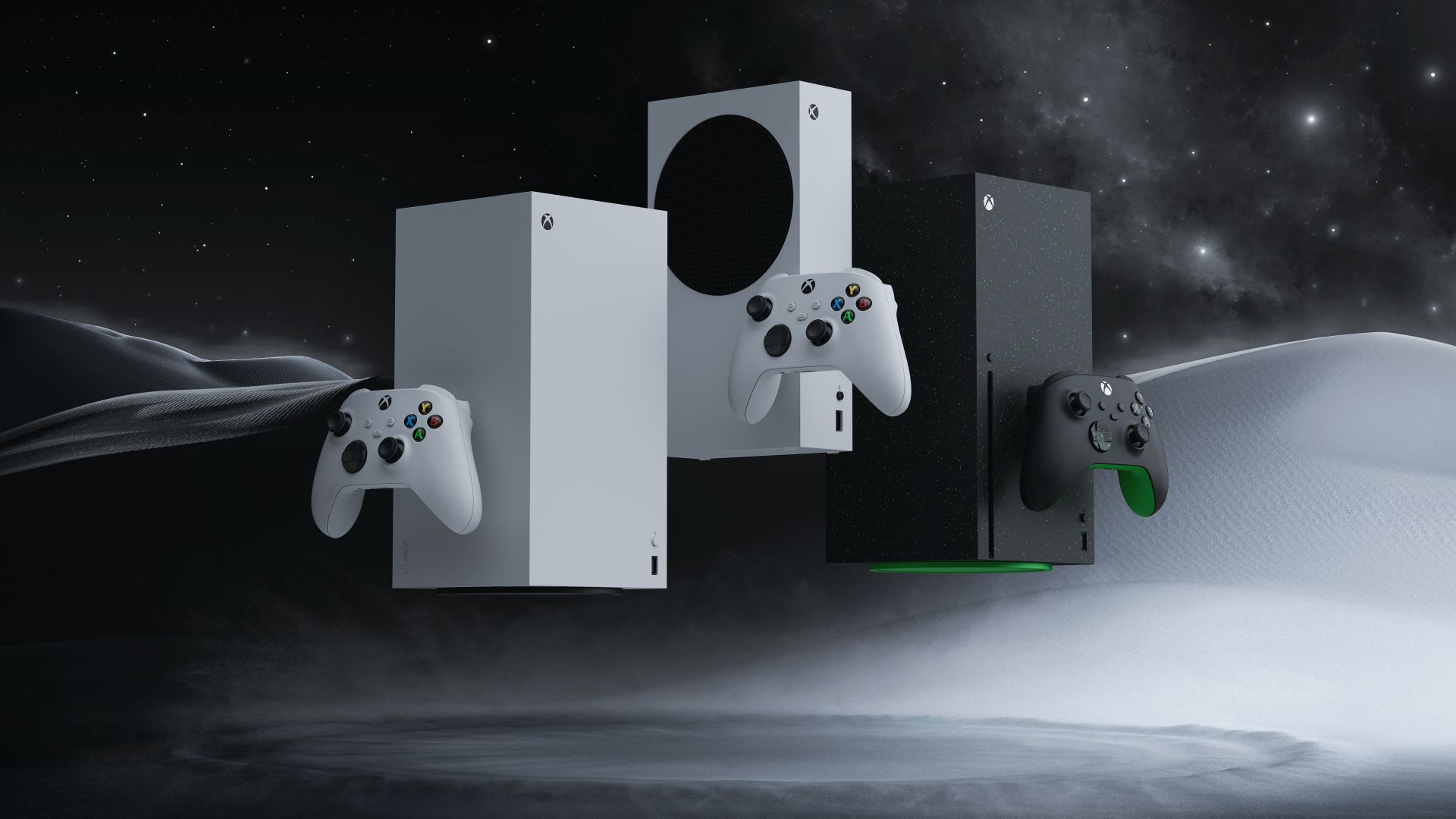
If that window holds, it would place the next Xbox roughly seven years after the launch of the Xbox Series X and Series S in 2020. That’s slightly longer than some past cycles, but it aligns with a reality where consoles are no longer hard resets. They are long-term platforms, refined over time rather than replaced overnight.
Why AMD remains the backbone of console hardware
For more than a decade, AMD has been the quiet constant behind modern console gaming.
PlayStation 4, PlayStation 5, Xbox One, Xbox Series X, and Series S all rely on custom AMD system-on-chips. That gives AMD a rare vantage point into where console hardware is heading — and when meaningful architectural shifts are actually feasible.
A 2027 target suggests something important: Microsoft isn’t chasing incremental gains.
The next Xbox appears to be waiting for a real jump — not just more raw power, but better balance. Efficiency, AI acceleration, and long-term scalability are starting to matter as much as traditional performance metrics.
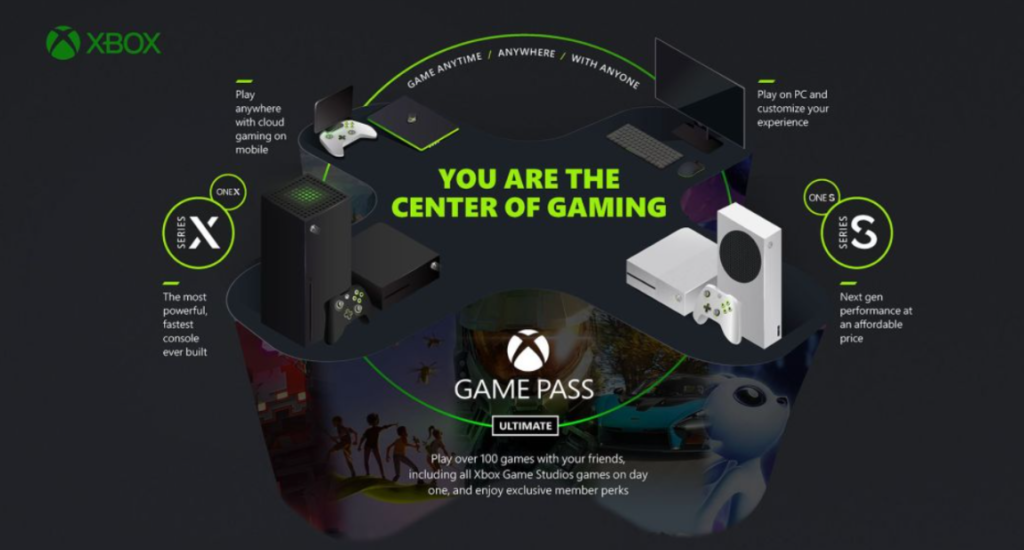
This isn’t about teraflops anymore. It’s about building hardware that survives in a world where PCs, handhelds, cloud gaming, and mobile platforms are all competing for the same players.
Is 2027 late — or exactly the point?
On paper, 2027 may sound late. By then, the Xbox Series X will be deep into its lifecycle, and the gap between consoles and high-end PCs will be obvious.
But console timing has never been purely about specs.
A 2027 launch gives Microsoft time to fully extract value from the current generation, especially as developers finally move away from last-gen support. It leaves room for price adjustments, mid-cycle strategies, and deeper integration of subscriptions and services.
Just as importantly, it gives studios predictability. Developers can plan engines, pipelines, and cross-generation strategies when the next hardware window is clear.
The risk, of course, is Sony. If PlayStation moves earlier, Microsoft could lose narrative momentum — even if its hardware ultimately lands stronger on paper.
To better understand how long-term infrastructure bets are reshaping modern technology platforms, this deep dive into SpaceX Wants to Launch 1 Million Solar-Powered Data Centers Into Orbit explores why scale, energy, and timing are becoming decisive factors in the future of computing:
https://techfusiondaily.com/spacex-orbital-data-centers/
What a 2027 Xbox is likely to prioritize
AMD’s roadmap doesn’t reveal features, but the timing lines up neatly with where the industry is heading.
A 2027 Xbox is likely to focus less on brute force and more on balance:
AI-assisted rendering and upscaling baked directly into hardware.
Deeper cloud integration that goes beyond simple game streaming.
More flexible hardware tiers, building on the Series X and Series S split.
A stronger emphasis on power efficiency as energy costs and regulations tighten globally.
Underneath all of this, AMD’s silicon will be doing the heavy lifting — which is why a single date on a roadmap carries so much weight.
A quiet hint with loud implications
AMD didn’t announce the next Xbox. There was no reveal trailer, no controller close-up, no dramatic tagline.
But in the console world, a single date buried in a silicon roadmap can be as revealing as any teaser.
A 2027 window suggests Microsoft is playing a long game — treating Xbox as a platform, not just a box under the TV.
The real question isn’t simply when the next Xbox arrives.
It’s whether, by 2027, Microsoft will still need to convince players that a new box under the TV matters at all.
Sources
Bloomberg — Mark Gurman
The Verge — AMD console roadmap reporting
Public AMD hardware materials
Originally published at https://techfusiondaily.com